tired的比较级是more tired,最高级是most tired。以下是详细解释:
同类双音节词举例以下单词与tired变形规则一致,均通过添加“more/most”构成比较级和最高级:
interesting → more interesting(更有趣的)→ most interesting(最有趣的)
beautiful → more beautiful(更美丽的)→ most beautiful(最美丽的)
outgoing → more outgoing(更外向的)→ most outgoing(最外向的)
comfortable → more comfortable(更舒适的)→ most comfortable(最舒适的)
wonderful → more wonderful(更精彩的)→ most wonderful(最精彩的)
athletic → more athletic(更健壮的)→ most athletic(最健壮的)
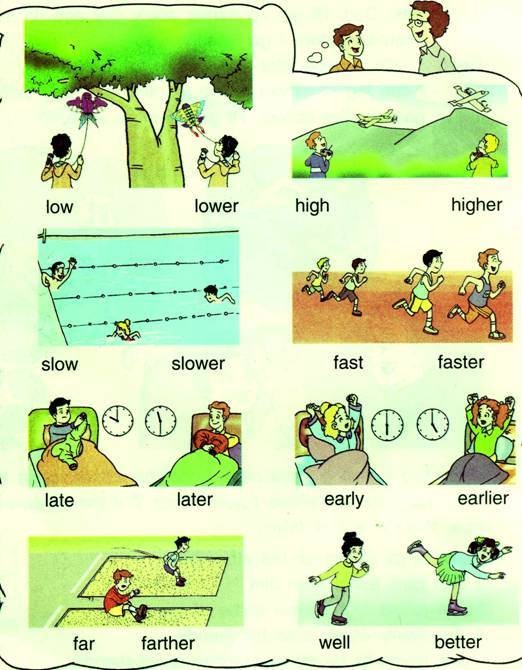
对比单音节词变形规则单音节形容词通常直接加“-er”和“-est”构成比较级和最高级,例如:
tall → taller(更高的)→ tallest(最高的)
fast → faster(更快的)→ fastest(最快的)
short → shorter(更矮的)→ shortest(最矮的)
特殊双音节词说明部分双音节词虽符合“more/most”规则,但存在例外情况。例如:
以“-y”结尾的双音节词:若“y”前为辅音字母,需先变“y”为“i”再加“-er/-est”,如happy → happier → happiest;但若“y”前为元音字母(如easy),则直接加“more/most”,即more easy → most easy(但更常见的是easier → easiest)。
以“-ful”“-less”等后缀结尾的词:通常遵循“more/most”规则,如careful → more careful → most careful,useless → more useless → most useless。
总结与记忆技巧
单音节词:直接加“-er/-est”(如big → bigger → biggest)。
双音节词:
若词尾为“-y”“-le”“-ow”等(如happy、noble、narrow),可能遵循单音节变形规则(如happy → happier);
其余情况(如tired、interesting)及多音节词,均用“more/most”变形。
记忆口诀:单音节直接加,双音节看词尾,多音节用more/most。
通过以上规则和例证,可清晰区分tired与其他形容词的比较级和最高级构成方式,避免因词性混淆导致的语法错误。