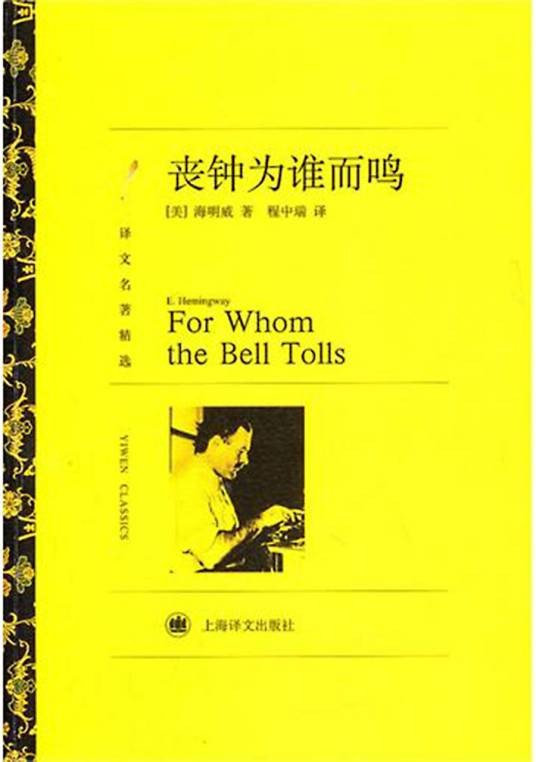

《丧钟为谁而鸣》是英国诗人约翰·多恩(John Donne)的一首诗歌,以下是该诗的中英文对照全文:
英文原文:
No man is an island, entire of itself; Every man is a piece of the continent, a part of the main. If a clod be washed away by the sea, Europe is the less, as well as if a promontory were, As well as if a manor of thy friend's or of thine own were: Any man's death diminishes me, because I am involved in mankind, And, therefore, never send to know for whom the bell tolls; It tolls for thee.中文译文:
没有人是孤岛,独自完整; 每个人都是大陆的一小块,主体的一部分。 如果海浪冲掉了一块岩石, 欧洲就减少,如同一个海岬失掉一角, 如同你的朋友或者你自己的领地失掉一块。 每个人的死亡都是我的哀伤,因为我是人类的一员, 所以,别问丧钟为谁而鸣,它就为你而鸣!这首诗以自然意象(如岛屿、大陆、海洋)为框架,通过类比层层递进。首句“No man is an island”奠定核心命题,后续通过“clod(土块)”“promontory(海角)”等具象事物,将个人与群体关系的抽象概念具象化,最终以教堂钟声的隐喻收尾,形成完整的逻辑闭环。该诗传达了“人类命运共生”的哲学观,强调任何个体的消亡都会削弱整体,因为人类是“mankind”这一生命网络中的节点。诗句“Any man's death diminishes me”强调个体对集体存在的依赖性,批判孤立主义思想,呼吁对他人苦难的共情。